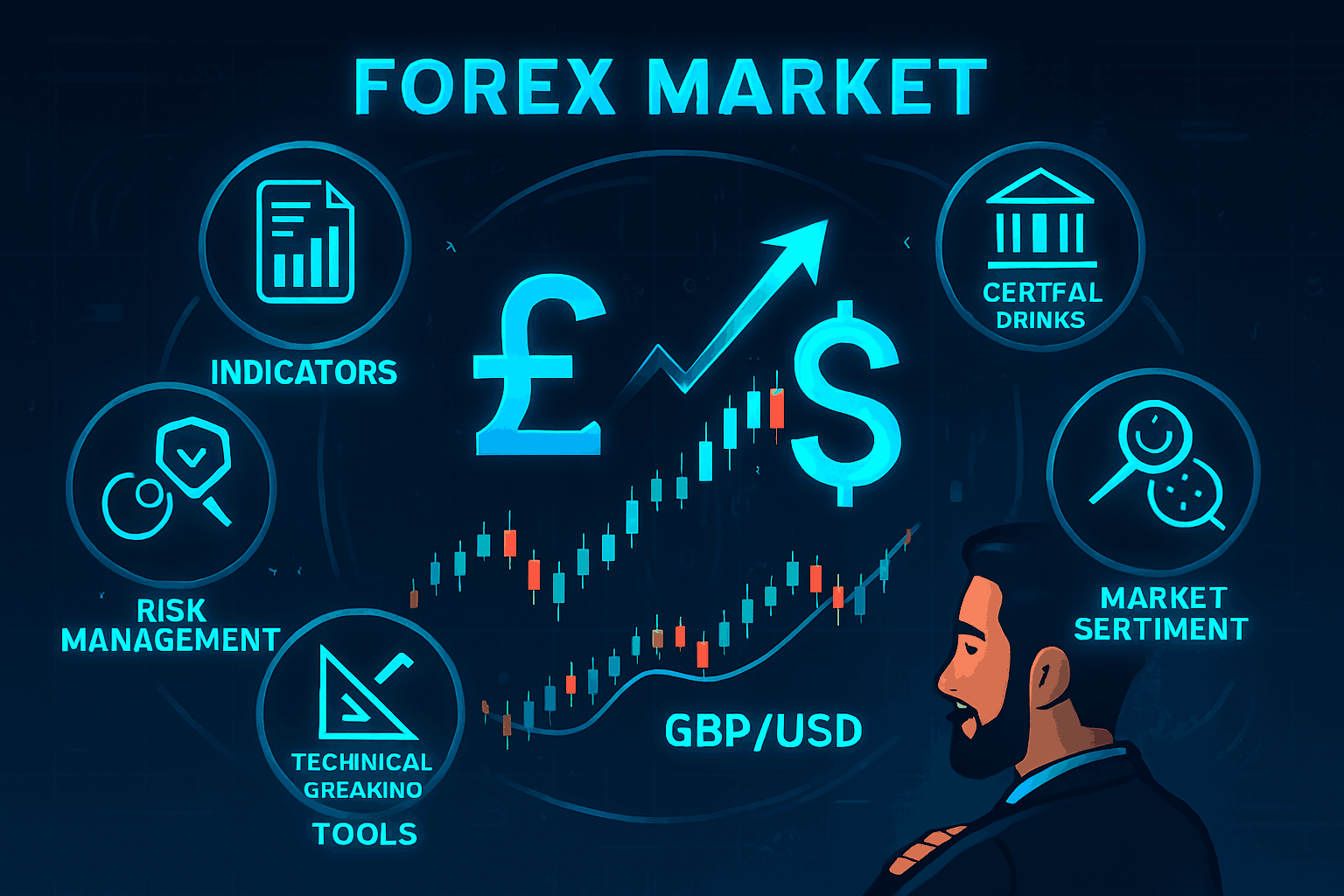
What really moves GBP/USD is a combination of economic fundamentals, central bank decisions, and global market sentiment. The GBP/USD currency pair, often called “Cable,” is one of the most actively traded pairs in the world. For traders, understanding these daily drivers is critical to staying ahead of sudden volatility and capturing profitable opportunities.
Here’s a playbook of the daily catalysts that move GBP/USD:
1. Economic Data Releases
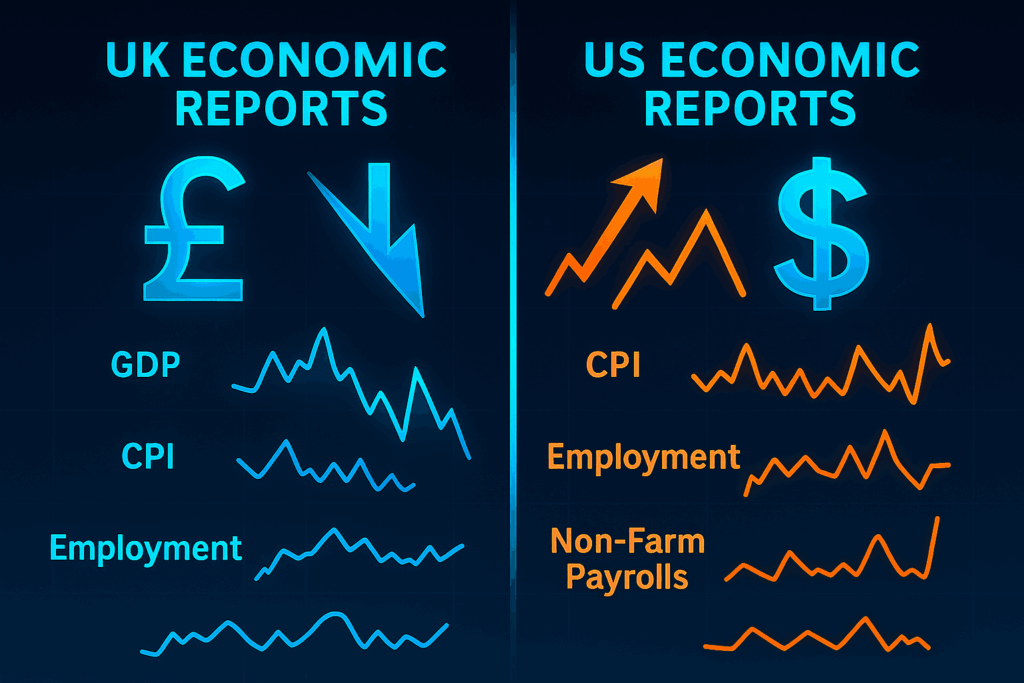
The UK and US both publish frequent reports that directly impact currency valuations.
- UK Data: GDP growth, inflation (CPI), employment numbers, and PMI surveys often set the tone for the pound.
- US Data: Non-Farm Payrolls, retail sales, and CPI data heavily sway the dollar.
Surprises whether positive or negative tend to cause sharp intraday moves.
2. Central Bank Decisions
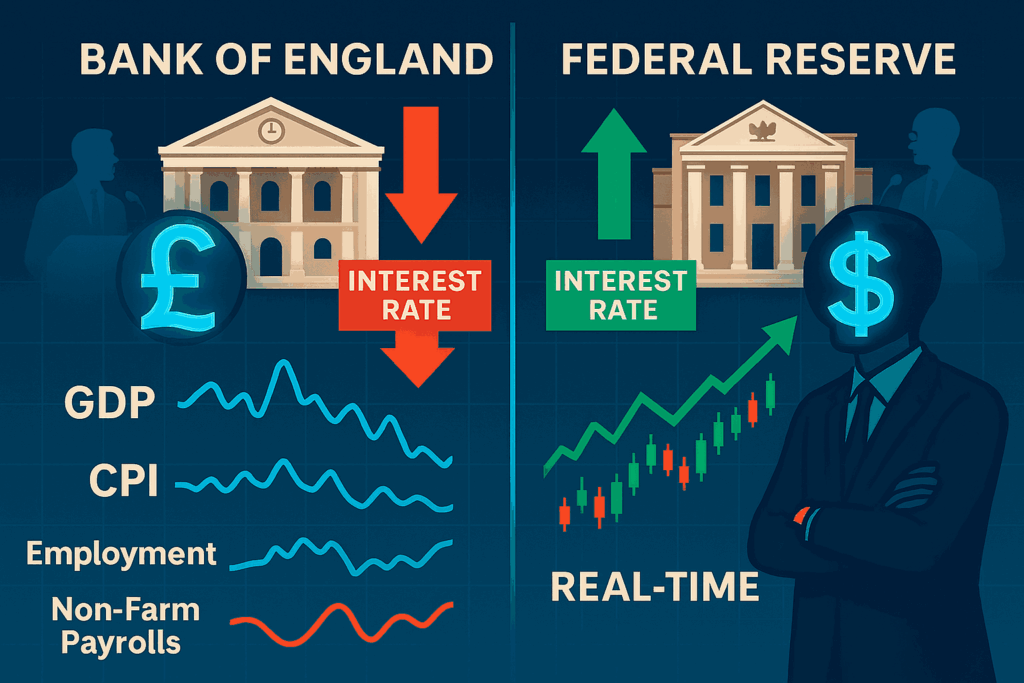
The Bank of England (BoE) and the Federal Reserve (Fed) play a decisive role in shaping expectations. Interest rate decisions, meeting minutes, and speeches from policymakers can change the outlook for GBP/USD overnight.
- A hawkish BoE stance usually boosts GBP.
- A dovish Fed weakens USD, making GBP/USD climb.
3. Market Sentiment & Risk Appetite
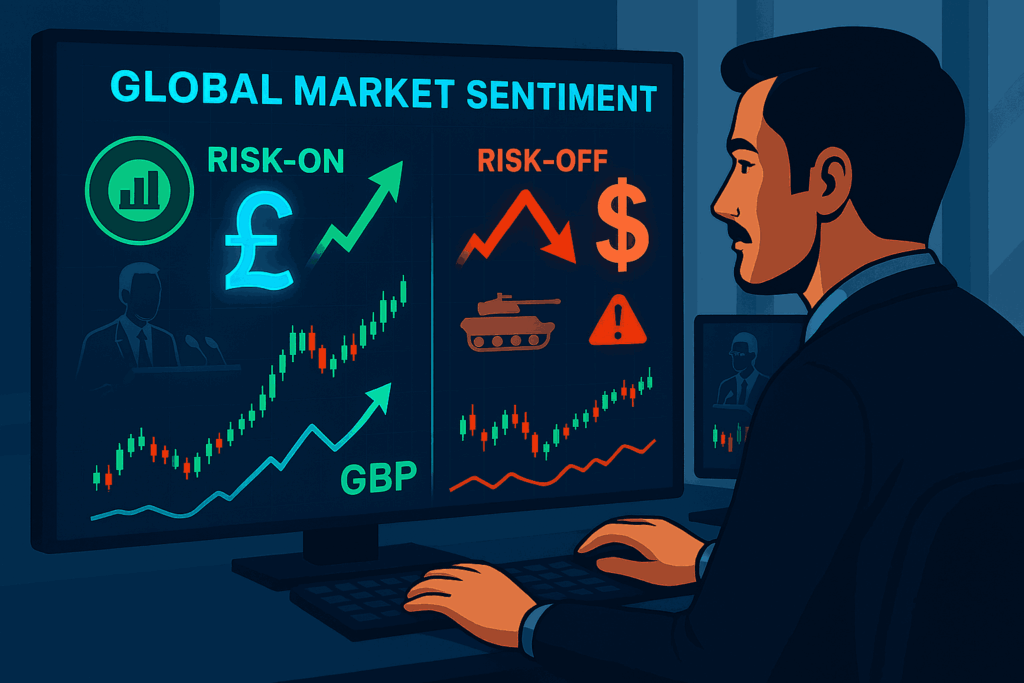
When global markets are risk-on, traders often move into the pound as a higher-yielding asset. But in times of uncertainty geopolitical tensions, stock market drops, or recession fears the USD acts as a safe haven, causing GBP/USD to fall.
4. Political Developments
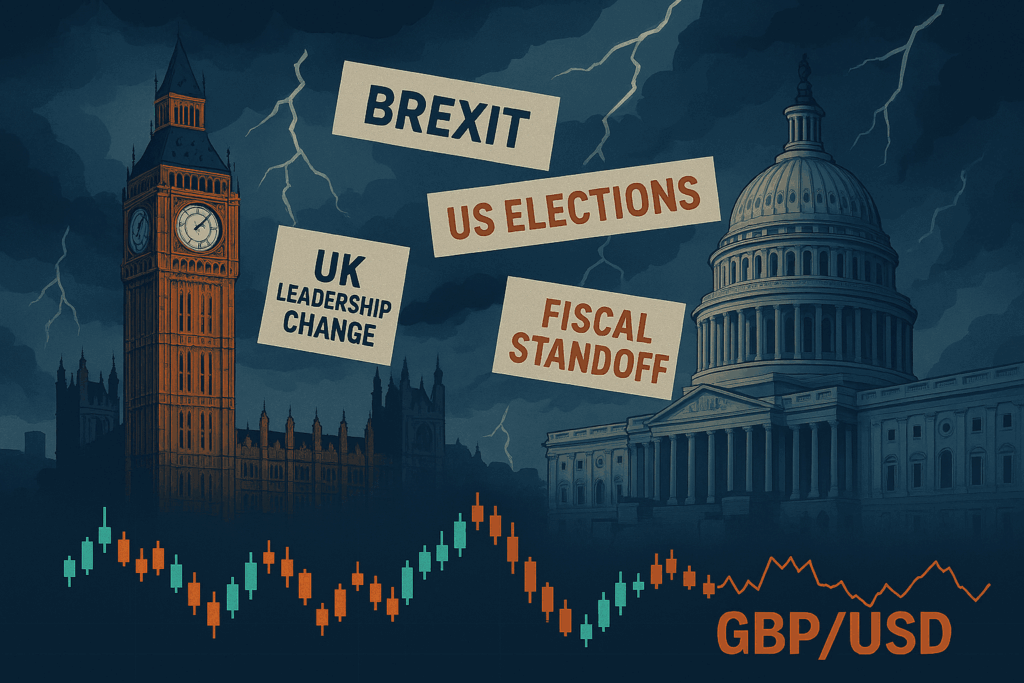
UK politics can trigger sharp volatility. Brexit negotiations, fiscal policy announcements, or sudden leadership changes still cast long shadows over GBP performance. On the US side, election cycles and fiscal standoffs (like debt ceiling debates) can also push the pair.
5. Technical Levels & Trader Behavior
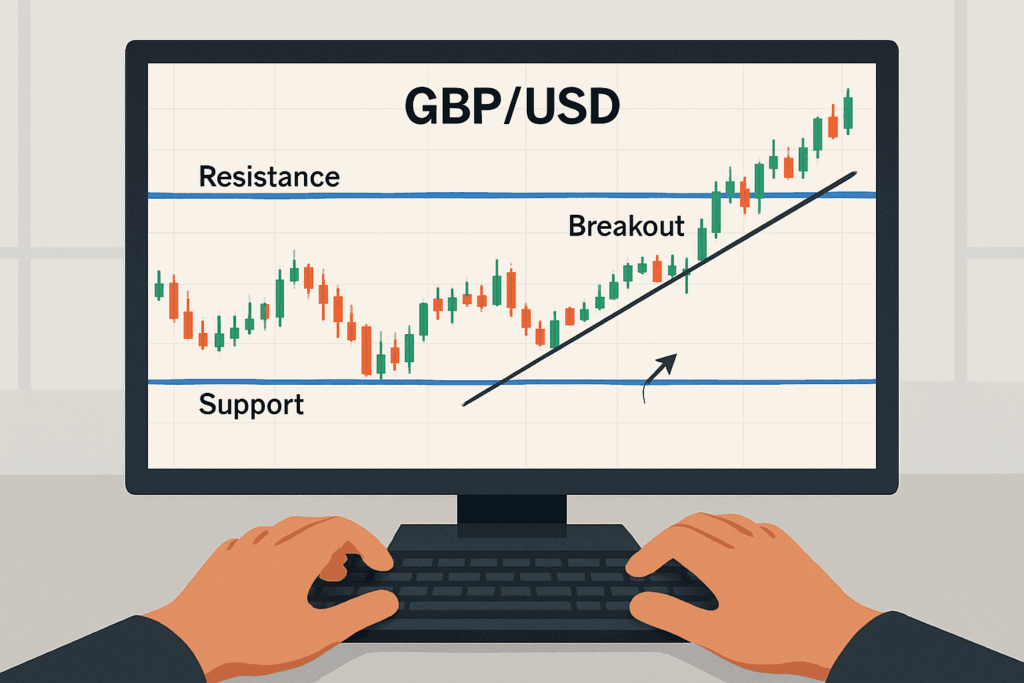
Even beyond fundamentals, GBP/USD respects support, resistance, and trendlines. Technical traders worldwide monitor these levels, and big breakouts or reversals can be self-reinforcing.
✅ Takeaway:
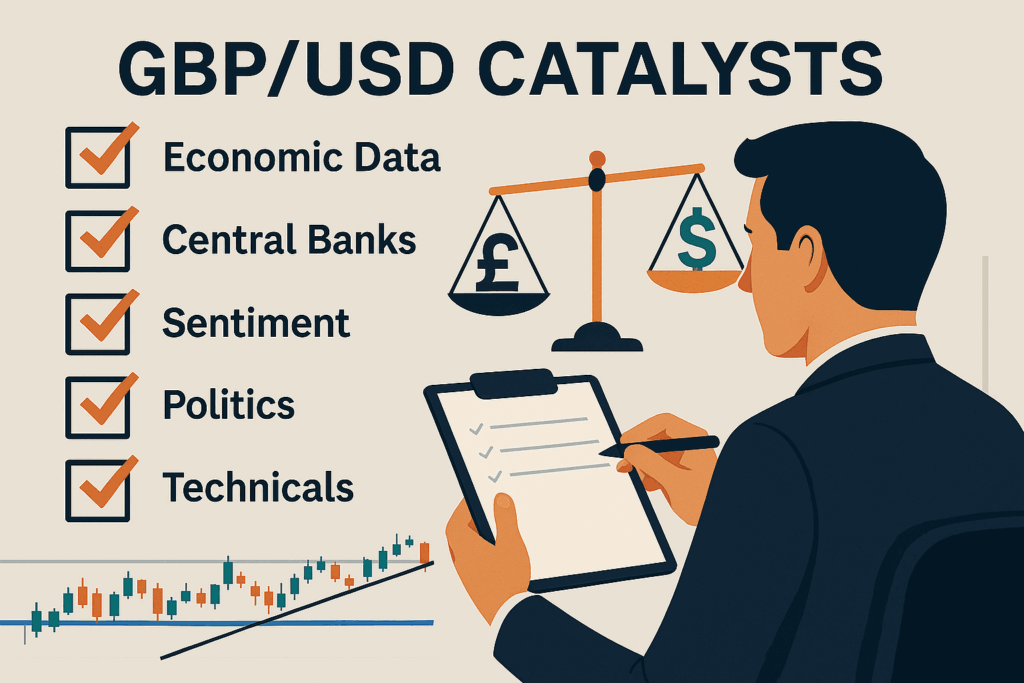
GBP/USD isn’t moved by a single factor it’s a blend of economic indicators, central bank signals, sentiment, and politics. Traders who keep a structured playbook of these catalysts can react faster, manage risks better, and avoid being blindsided by daily volatility.